Behind the Scenes · Tour Planning
How we plan a perfect tuk-tuk tour.
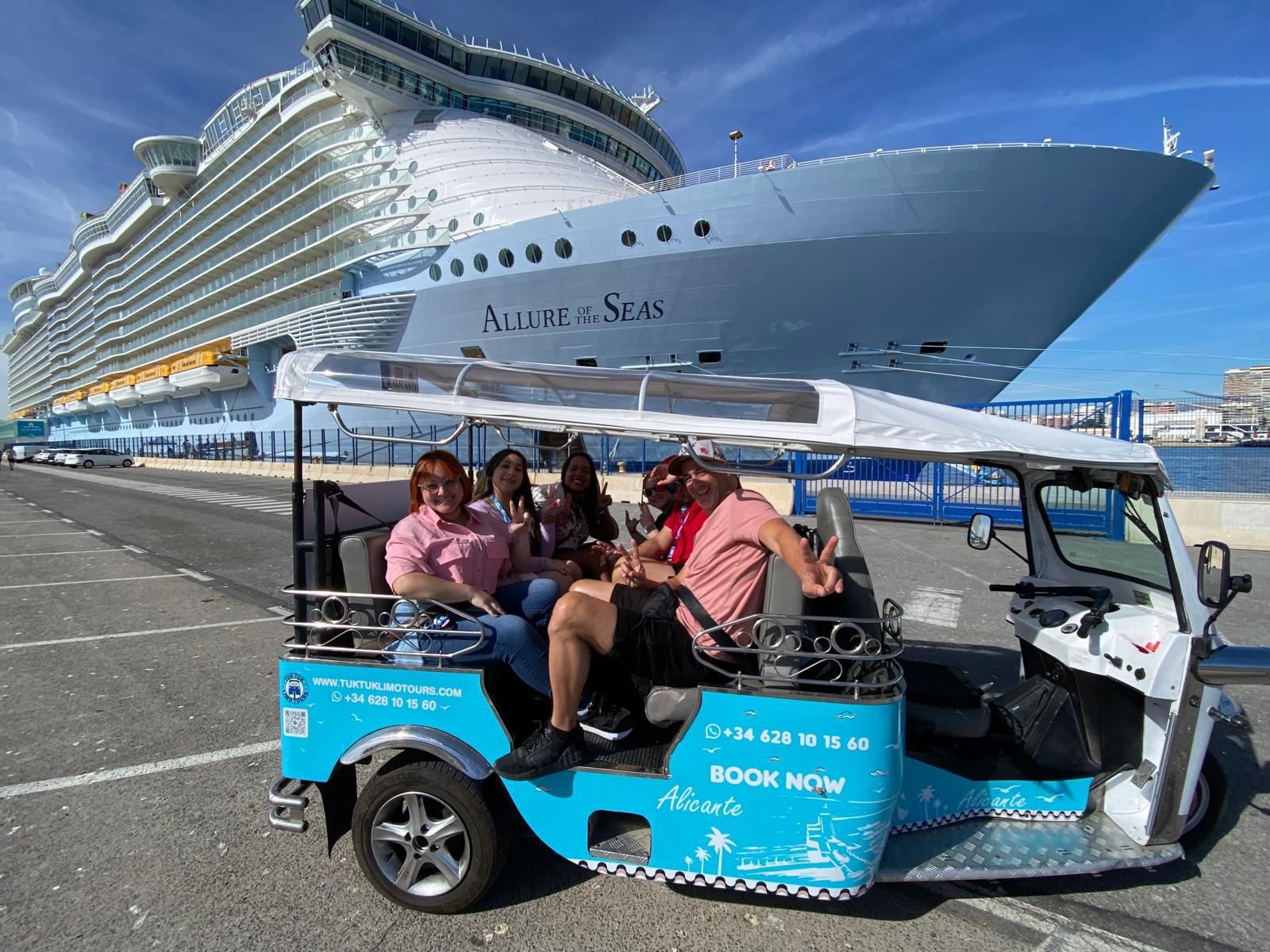
Most people think a tour is the two hours they spend in the tuk-tuk. The truth is the tour starts the moment you send us a message - sometimes weeks in advance - and a lot of the work happens before you even land in Spain. Here's what actually goes into it.
We thought we'd write this because we get the same question a lot: what do you actually do before we get there? The answer is more than people expect.
What we mean by tour planning.
For us, "planning" isn't a feature - it's the whole product. Anyone can put a tuk-tuk on the road. The thing that makes the tour worth the price is everything we do before the engine starts: the route built around your group, the timing built around your day, the pickup planned around your real-world arrival.
Below is the actual flow. We don't follow it rigidly - sometimes a guest sends one message and we're set up in five minutes - but this is the structure underneath every booking.
Step 01First message.
Most enquiries come in via WhatsApp. Some via Instagram. A few via the contact form. Whatever the channel, the first thing we want to know is the basics: when are you visiting, how many of you are coming, and what's the rough shape of your day?
We don't ask for credit card details, IDs, or deposits at this stage. We try to keep the first message about the trip, not the transaction. A lot of bookings only convert because the first reply felt like a conversation, not a sales funnel.
Step 02The route conversation.
Once we know the basics, we suggest a default route. For Madrid that's usually Royal Palace, Gran Via, Plaza Mayor, Retiro, and back. For Alicante it's the castle, the old town, the Mercado Central, and the beach. These aren't rigid - they're the starting point for the back-and-forth that gets us to the real route.
This is where most online tour bookings get it wrong. They send you a checkbox list, you tick three stops, and you've designed a tour with a website. We'd rather hear "we really love photography" or "my husband is in a wheelchair" - one sentence tells us more than ten boxes.
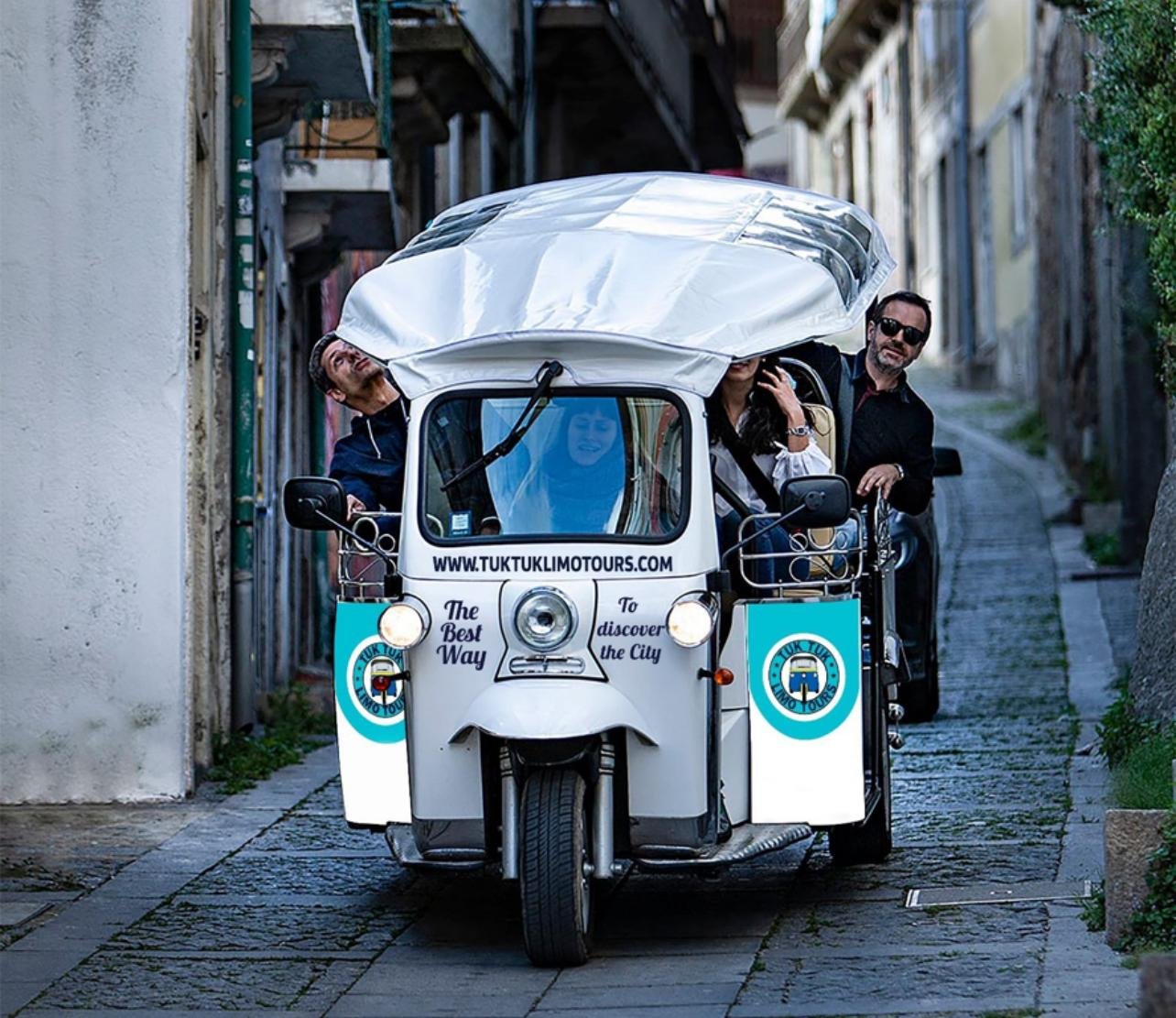
The timing.
Cruise day? We need your ship name. The ship name tells us your real dock time (more accurate than what you'll be told), your most likely berth, and your "all aboard" deadline. Same for trains and flights - we'd rather see your e-ticket than be told "morning."
This sounds obsessive but it's the difference between a smooth day and a missed connection. We've had cruise guests tell us their ship leaves at 6pm when it actually left at 5:30. The harbour pilot doesn't care about your itinerary.
The tour starts the moment you send us a message. The two hours in the tuk-tuk are just where it gets visible.
The pickup pin.
The night before the tour, we send a WhatsApp with three things: the exact pickup point (a Google Maps pin you can tap), the meeting time, and the name of the guide who'll be there. If there's any rain, a strike, a city event that might affect roads, we mention it.
This is genuinely the part guests tell us they remember most. Not the photos. Not the castle. The fact that the night before they had everything they needed and could just go to bed.
Step 05The tour itself.
Now the work happens out loud. Guide arrives ten minutes early. The route flexes based on traffic, weather, your energy, and what you say in the first five minutes - sometimes we scrap the original plan in the first ten minutes because you mentioned something we hadn't thought of.
The guide knows the back roads, the photo spots, the bars that are open, and the coffee that's actually good. None of this is rehearsed but all of it is practised - we've driven the same routes for nine years.
Step 06What happens after.
The tour ends. The guide drops you back. We don't follow up with five "would you leave us a review" messages. We send one short thank-you and then we wait. About three days later, when the trip is over, we send a single WhatsApp asking if you got home okay and if there's anything we could have done better.
This is where the next booking comes from. Not from the algorithm, but from a guest who wrote back: "the trip was wonderful, we're already planning another one." Some of our best regulars started as a one-off cruise day three years ago.
The short version.
We read your first message carefully. We have a real conversation about the route. We obsess over your timing. We send a pickup pin the night before. We deliver the tour. We follow up once, three days later. Every step exists because we'd be embarrassed not to do it.
Want this kind of planning?
Send us a message. Even just a few lines. We'll write back the same day with a draft of what your tour could look like - no deposit, no commitment, just a real conversation.